Tech-Land offers CNC machining for oil & gas industries. High-quality spare parts & custom solutions for MENA's demanding sectors like Pumps, Valves, Mechanical Seal and all spare parts that needs modern technology CNC machining. All you needs we can provide.


CNC Machining Services in UAE
At TechLand, we are experts in CNC machining in UAE and we manufacture spare parts of turbine in UAE, parts of compressor in UAE and parts of valve in UAE with high precision. With advanced CNC machinery, we customize spare part of pump in UAE and spare part of compressor in UAE to meet the needs of the oil and gas industry.


Gallery
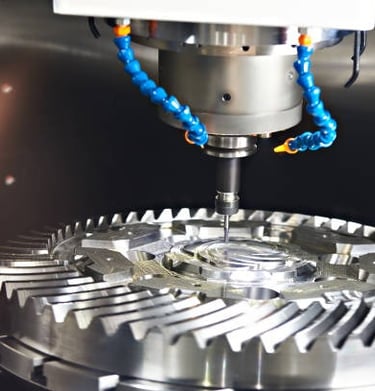
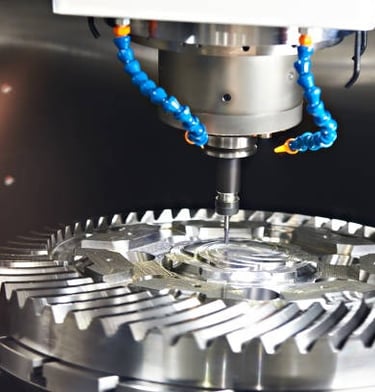
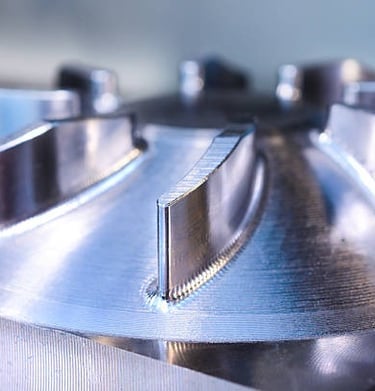
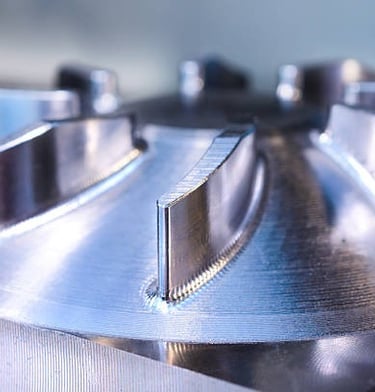
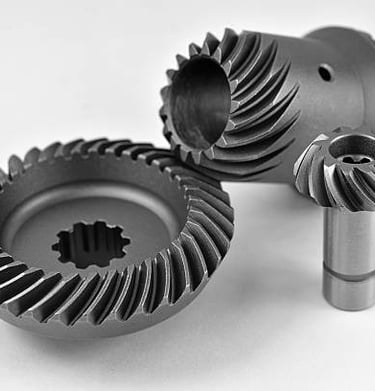
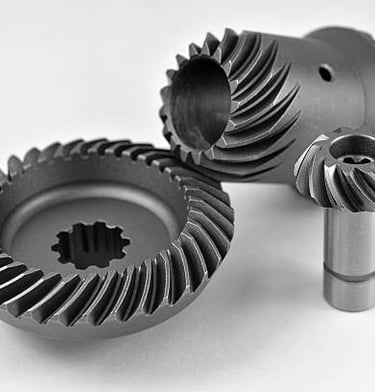
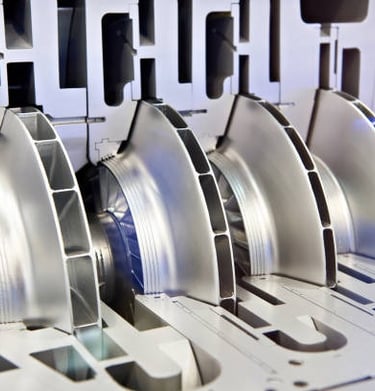
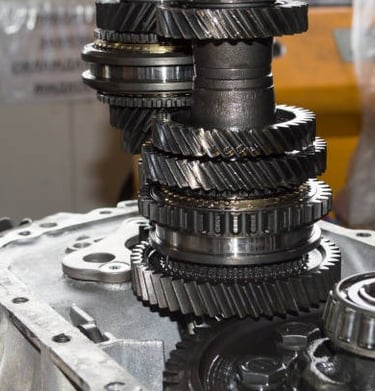
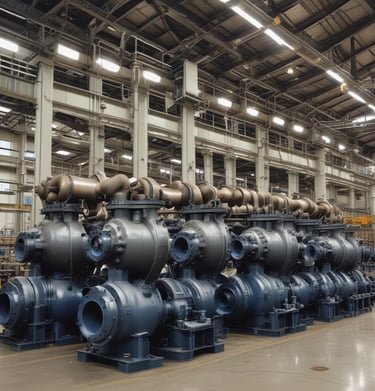
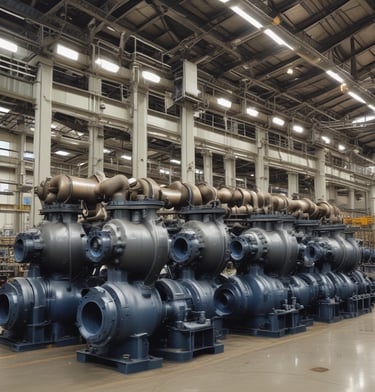
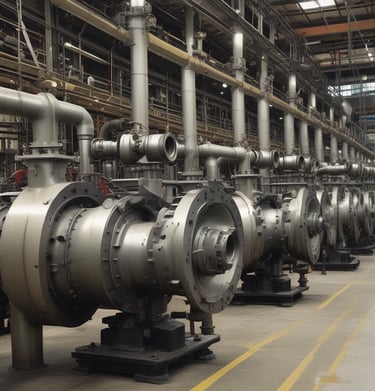
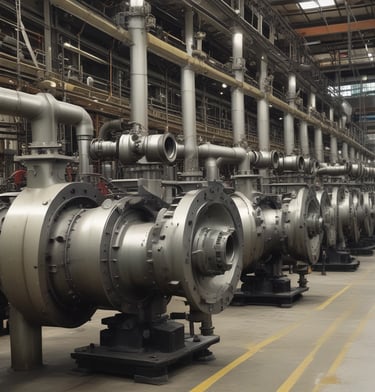
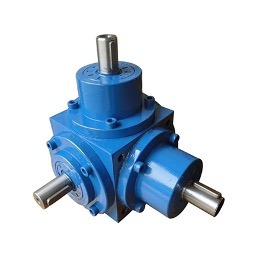
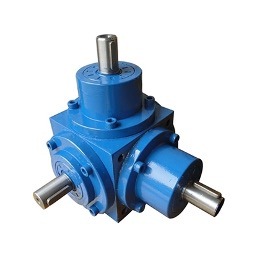
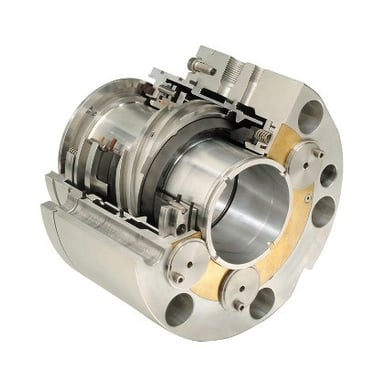
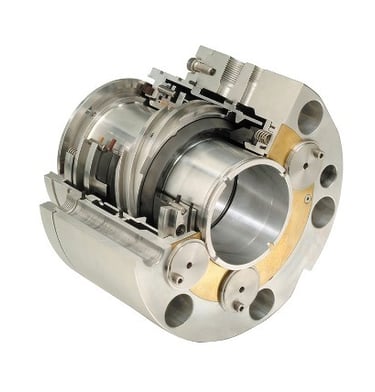
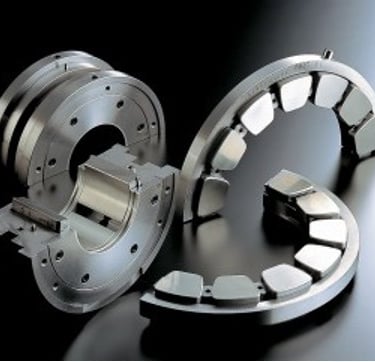
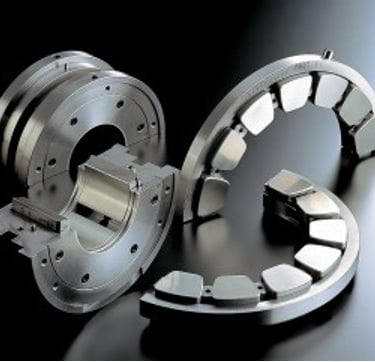
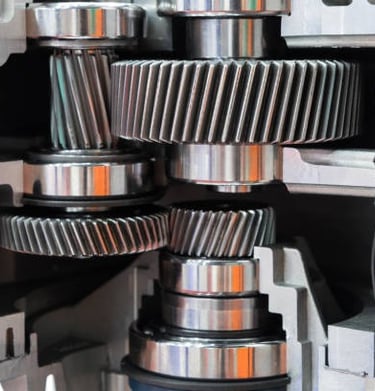
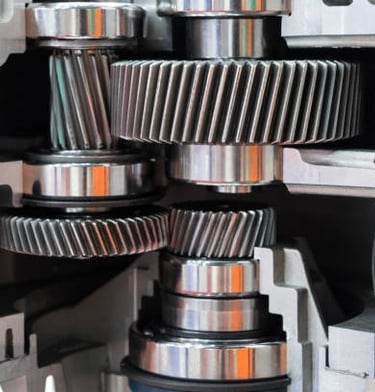
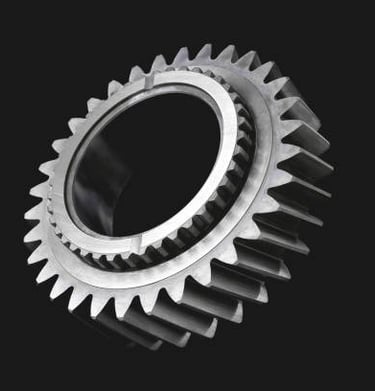
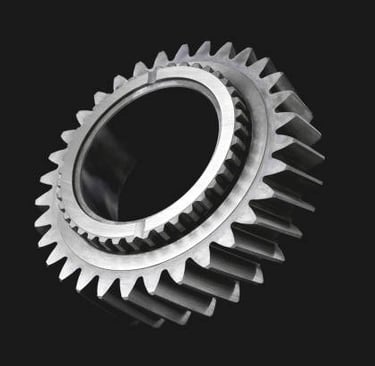
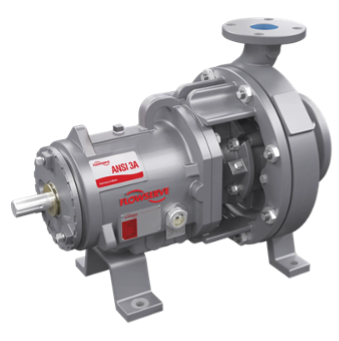
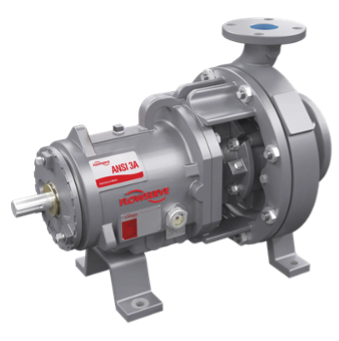
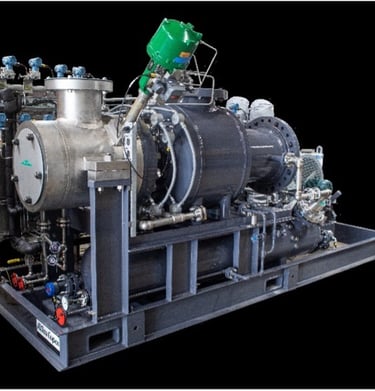
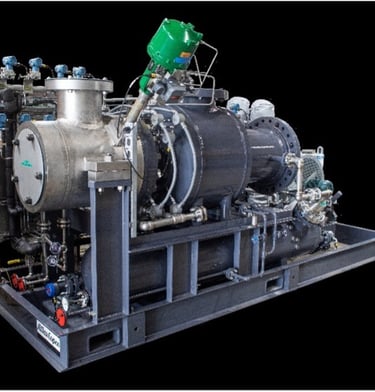
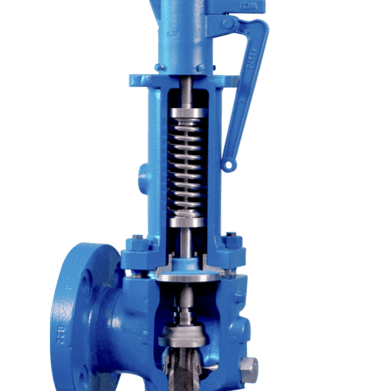
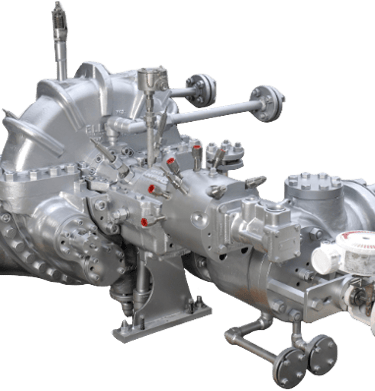
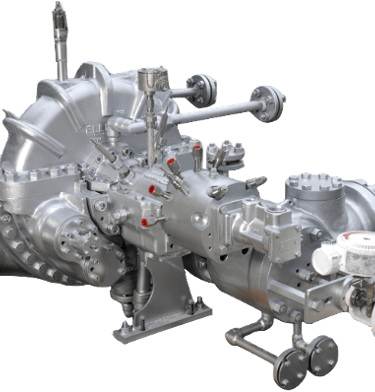
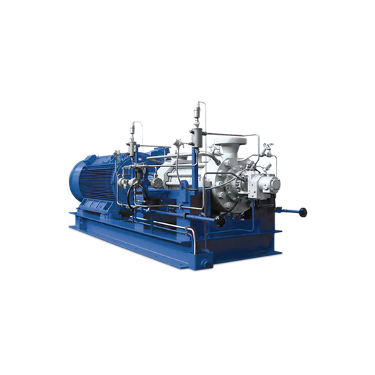
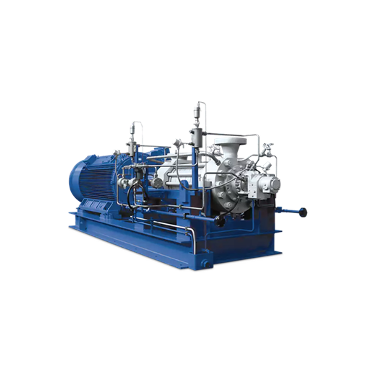
At Tech Land, we have the ability to produce and manufacture a wide range of parts in various industries, including petrochemicals, oil and gas, as well as light and heavy vehicle industries, and spare parts for various types of machinery. Below are archive examples of parts images like
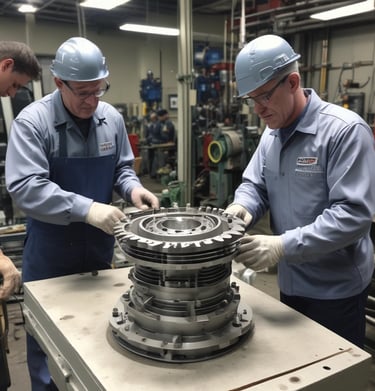
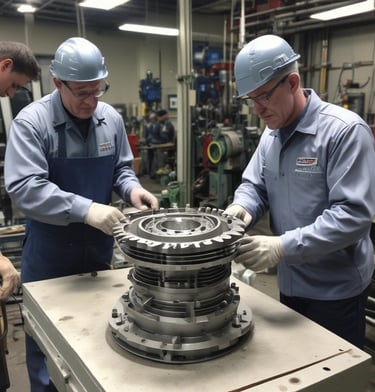
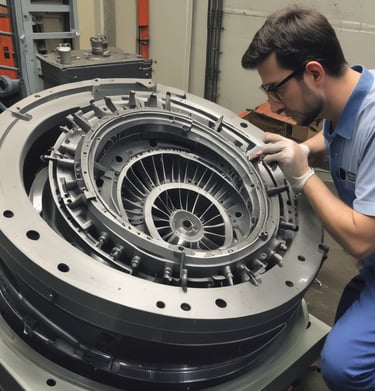
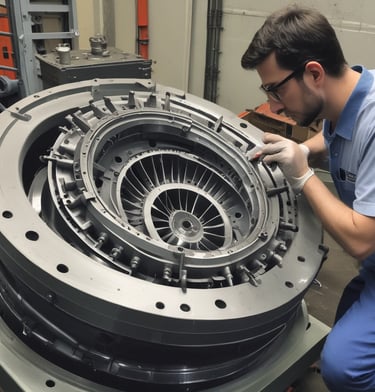
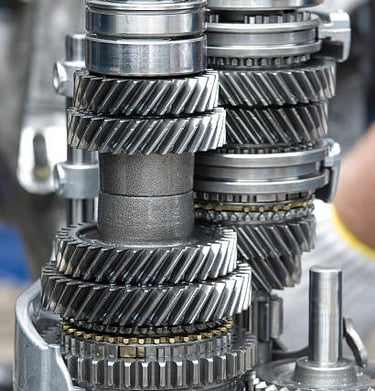
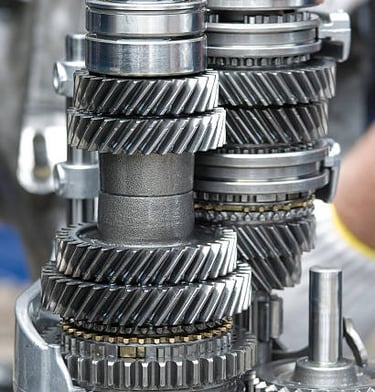
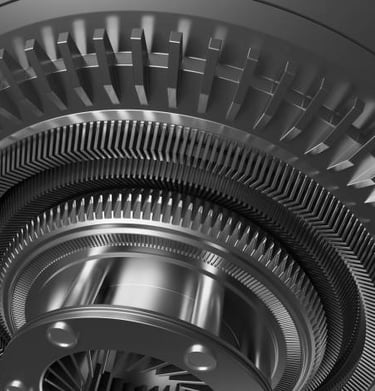
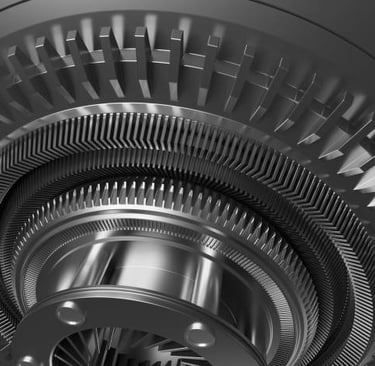
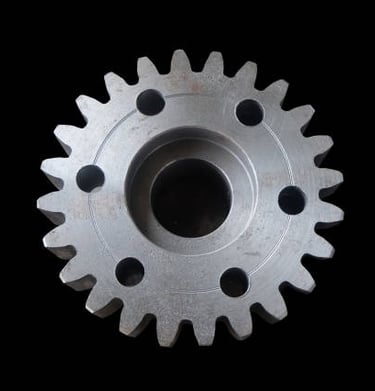
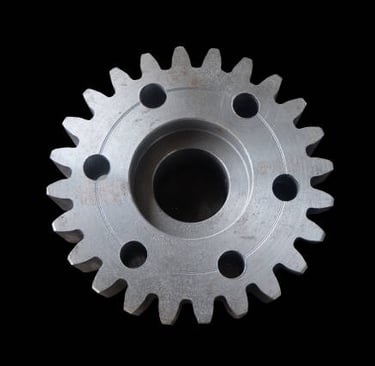


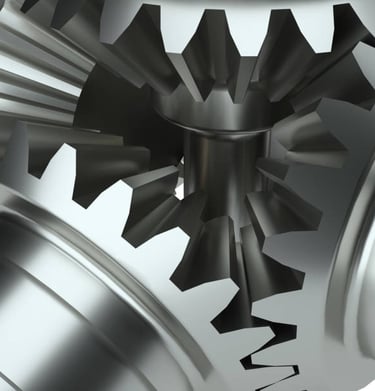
Our services
Provide a general summary of the services you provide, highlighting key features and benefits for potential clients.
We manufacture turbine parts such as blades and housings in Dubai using CNC turning and milling. This service is ideal for MENA and has fast delivery.
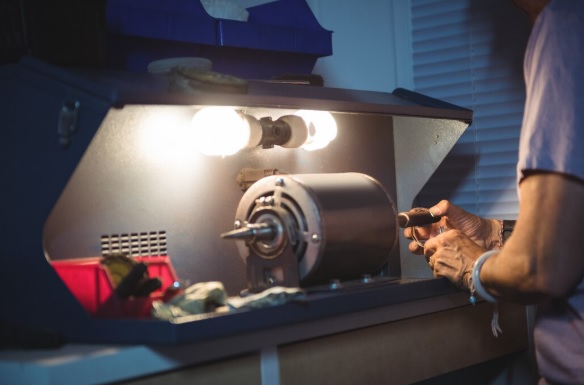
Precision manufacturing, rapid delivery, and high-quality materials ensure that turbines continue to perform at their best. As the UAE continues to expand its industrial and energy sectors, demand for CNC-machined turbine spare parts will remain strong and essential for sustainable growth.
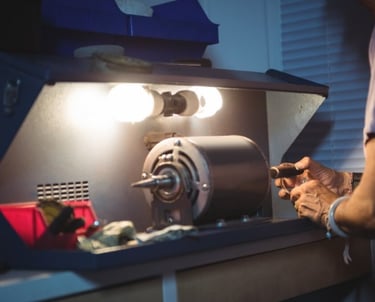
Spare Parts of Turbine in UAE with Advanced CNC
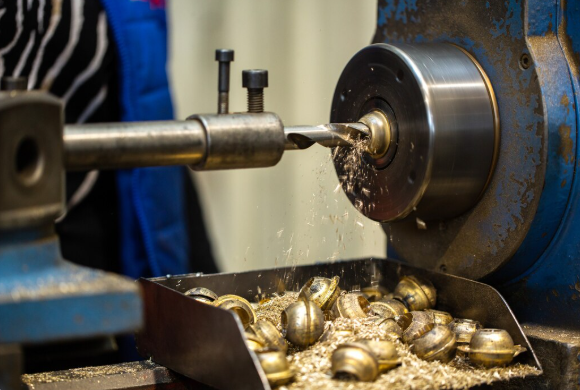
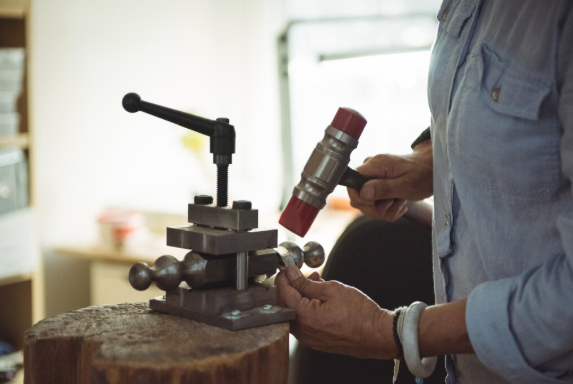
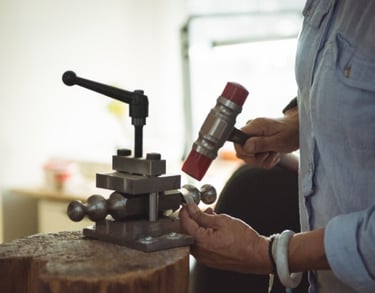
Custom parts of compressors in the UAE are essential for maintaining efficiency, safety, and reliability in the oil and gas sector. Through advanced CNC machining, precision engineering, and strict quality control, local manufacturers provide durable and high-performance components tailored to industry requirements. As the UAE continues to strengthen its position as a global energy hub, custom compressor part manufacturing remains a critical support service for sustainable industrial operations.
Custom Parts of Compressor in UAE for Oil & Gas
Spare parts of pumps in the UAE play a vital role in maintaining industrial efficiency and operational reliability. By choosing high-quality components manufactured with advanced technology, businesses can ensure long-term performance and reduced maintenance costs. Reliable local suppliers and precision engineering services make the UAE a strong market for pump spare parts across multiple industries.
Spare Part of Pump in UAE
Tech-Land UAE provides industries which require accurate and consistent operations with dependable high-precision CNC machine services. The company uses modern machines, skilled operators, and strict quality control to deliver parts that meet exact specifications. Tech-Land provides three service levels which include prototype development and small batch production and mass production for its clients. Their services support sectors such as automotive, aerospace, construction, and manufacturing. Tech-Land UAE combines advanced technology with technical expertise to produce components which have excellent surface finish and tight tolerance and long-term industrial performance.
CNC machining in UAE
Explore our innovative 3D scanning and reverse engineering. CNC machining in the United Arab Emirates (UAE) has become a vital part of the country’s growing industrial and manufacturing sector. With strong development in oil & gas, aerospace, construction, marine, and power generation industries, the demand for high-precision components continues to rise. CNC (Computer Numerical Control) machining provides the accuracy, efficiency, and consistency required to meet these industrial needs.


3D Scanning
High-precision scanning captures details accurately. capture the exact shape, size, and dimensions of a physical object and convert it into a digital 3D model.
Digital Modeling
Transform scans into optimized manufacturing designs. creating a virtual 2D or 3D representation of an object, structure, or system using specialized computer software.
Precision Fabrication
Create surgical replicas with exceptional accuracy. High-accuracy metal and engineered components with tight tolerances and superior quality.
We proudly do all our best to be maintain authorized partnerships with the world's leading manufacturers of industrial equipment, components, and spare parts. These strategic relationships ensure access to genuine OEM parts, technical support, and warranty coverage for critical applications across the energy sector. Our brand portfolio represents decades of engineering excellence and proven reliability in the harshest operating environments.
We Try to become an authorized distributor and service partner, to be a bridge the gap between manufacturers and end users, providing local support, technical expertise, and rapid response capabilities. Whether you need a critical replacement part for downtime mitigation or bulk procurement for planned maintenance, our brand relationships ensure authenticity, quality, and performance.We aim to earn the honor of collaborating with the following brands in the not-too-distant future by working hard and proving our capabilities and skills in global markets.






































It would be our honor to have your brand in our Hall of Fame
What is CNC?
CNC stands for Computer Numerical Control. The process uses computers to control machine tools which include mills and lathes and routers and grinders. The machine movements follow programmed instructions instead of being operated by manual control. The automated system provides improved accuracy with consistent outputs and faster manufacturing capabilities. CNC technology has become an essential component of present-day industrial operations because it helps people make fewer mistakes while enabling workers to create difficult designs. The process works through coded commands, commonly called G‑code, which tell the machine how to move, cut, drill, or shape materials. Manufacturing operations worldwide depend on CNC systems today because they deliver both high product quality and operational efficiency.
What Is CNC Machining
CNC machining operates as a subtractive manufacturing method where computer-controlled machines use their tools to extract material from a solid workpiece until they achieve the required shape. The process provides accurate and repeatable results with smooth surface finishes which makes it suitable for producing precision components used in automotive and aerospace and electronics and general engineering applications throughout modern manufacturing industries.
Types of CNC machines
CNC Milling
CNC milling machines remove material from stationary workpieces through their rotating cutting tools. The machines perform multiple functions which include slotting and drilling and contouring and surface finishing operations. Milling machines enable manufacturers to produce intricate parts that require precise measurements because of their adaptable capabilities. The machines find extensive application in both metalworking and precision engineering sectors.
CNC Turning
CNC turning machines use a stationary cutting tool to shape material while the workpiece rotates. This method works best for creating cylindrical components like shafts and bushings and pins. CNC turning provides optimal surface finishing together with precise measurement results. The technology finds applications in industries which include automotive and oil and gas and mechanical component manufacturing.
CNC Drilling
CNC drilling machines create precise holes in materials through the use of rotating drill bits. The computer control system manages the hole depth and diameter and position. These machines operate effectively in mass production settings which demand precise results that can be duplicated. The machines enhance productivity levels when compared to workshop manual drilling methods.
CNC Routers
CNC routers cut through soft materials including wood and plastics and foam and composite materials. The machines operate at high speeds which makes them popular in the furniture industry and signage production and interior design work. CNC routers create smooth edges and precise patterns which customers can use for their decorative and commercial needs.
CNC Plasma/Laser Cutting
CNC plasma and laser cutting machines use high-energy beams to cut metal sheets with both speed and precision. Plasma cutting works best for cutting thick conductive metals while laser cutting produces extremely fine and clean edges. The machines find their main applications in fabrication shops and automotive panel manufacturing and sheet metal production.
CNC Electric Discharge Machine
A CNC electric discharge machine (EDM) removes material through the use of controlled electrical sparks which act as cutting tools. The process enables operators to machine extremely hard metals while creating complex shapes which traditional methods cannot produce. EDM machines find common application in mold production and tool creation and precision engineering work.
CNC 3D Printer
CNC 3D printers build components through the process of layer-by-layer material addition which differs from traditional material removal techniques. This additive manufacturing method enables quick product development while creating intricate three-dimensional shapes. The industrial sector uses CNC 3D printing to speed up product development while testing designs and creating custom parts with minimum material waste.
Multi-axis CNC Machine
Multi-axis CNC machines enable simultaneous movement of tools and workpieces in multiple directional paths. The standard setups for these systems include both 4-axis and 5-axis configurations. The machines enable manufacturers to produce intricate designs using only one production session which leads to better accuracy and shorter manufacturing durations. The aerospace industry and high-precision engineering sector extensively depend on these devices.
CNC Automatic Tool Changer
A CNC automatic tool changer (ATC) automatically switches cutting tools during machining operations. The tool switching function helps operators to work efficiently because it needs less human involvement. ATCs find their optimal use in complex manufacturing operations which need several tools for their tasks. The systems enable factories to produce uniform products while decreasing equipment breakdown times.
CNC Waterjet Cutter
CNC waterjet cutters use a high-pressure water stream which sometimes includes abrasive particles to cut through different materials. The process creates no heat-affected zone which makes it appropriate for materials that are sensitive to heat. Waterjet cutting is a common method used to cut metals stone and glass as well as composites which need clean and accurate edge results.
CNC Drilling Machine
A CNC drilling machine is specifically designed to achieve rapid and precise hole drilling for both metal and plastic components. The system maintains uniform depth control together with proper alignment during multiple tasks which require the same operation. The manufacturing sector uses these machines extensively to produce high volumes of automotive parts and structural components and electronics devices throughout the globe.
CNC Grinder
CNC grinding machines utilize abrasive wheels that rotate to produce extremely fine surface finishes while achieving exact dimensional requirements. These machines serve as finishing equipment which operators use after they complete milling or turning processes. CNC grinders play a vital role in tool production and bearing manufacturing and areas that need precise measurements and polished surfaces.
CNC Common materials
CNC machines have the ability to work with various types of metals and engineering materials. The selection process requires evaluation of the materials based on their strength, corrosion resistance, weight, and specific application needs. The following list contains materials which CNC machining operations use as their standard materials.
Stainless Steel Alloys
SS304
Manufacturers use SS304 stainless steel as the primary material for CNC machining operations. The material exhibits strong protection against corrosion while maintaining good strength and weldability. The grade finds application in food equipment and industrial components and general engineering parts which need to maintain their durability through moderate mechanical stress.
SS303
Engineers designed SS303 stainless steel to enhance its machinability through special development. The material contains sulfur which produces better cutting performance and higher machining speed. The metal serves precision screws and fittings and machined components which need fast production because its corrosion resistance falls short of SS304.
SS316L
SS316L stainless steel offers exceptional protection against corrosion in both marine and chemical environments. The material achieves better weldability because of its low carbon content which also decreases post-welding corrosion risk. The material serves medical equipment and marine hardware and high-performance industrial applications which need extended product durability.
SS201
The market offers SS201 stainless steel as an affordable substitute for high nickel stainless steel grades. The material provides decorative components with sufficient strength and moderate protection against corrosion, which makes it suitable for use in light industrial applications. Users prefer the material for budget CNC machined parts because it provides better value than SS304.
Titanium Alloys
Ti6Al4V
The most commonly used titanium alloy for CNC machining is Ti6Al4V. The material exhibits exceptional strength-to-weight performance and outstanding resistance against corrosion and high temperature conditions. The alloy finds extensive application in aerospace and medical implant and high-performance engineering components which require lightweight strength.
Alloy Steel
Alloy steel provides high strength and toughness together with its ability to resist wear. The material finds its primary application in the production of gears and shafts together with components for heavy-duty machinery. The precise dimensions of alloy steel components together with their dependable mechanical properties result from CNC machining in industrial settings which demand high performance.
Aluminium 6061
The alloy Aluminium 6061 exhibits versatile properties which allow for easy machining while maintaining strong physical performance and protection against corrosion. The material finds extensive application in manufacturing automotive components and structural frames and general engineering parts. The material stands as one of the most common choices for CNC machining because of its exceptional machinability and lightweight characteristics.
Aluminium 7075
The material Aluminium 7075 delivers exceptional strength properties combined with good resistance to fatigue failure. The material finds common usage in aerospace applications and for building components which endure high structural loads. The material requires more effort to machine compared to 6061 because of its harder machining characteristics, yet it delivers better mechanical performance to strong materials.
Aluminium 5083
The alloy Aluminium 5083 provides strong protection against corrosion, which particularly applies to marine environments. The material exhibits good welding properties combined with moderate strength, which makes it suitable for use in shipbuilding and pressure vessel construction and structural applications. The CNC machining process on 5083 produces dependable components, which fulfill requirements for moisture and chemical resistance.
Aluminium 6082
The medium-strength alloy Aluminium 6082 demonstrates both corrosion resistance and machinability which makes it suitable for use in structural components and transport equipment and engineering applications. The alloy delivers strength and weight and cost advantages which make it suitable for various industrial parts that undergo CNC machining.
Aluminium 2024
Aluminium 2024 is a high‑strength alloy which aerospace structures. It offers excellent fatigue resistance but shows decreased corrosion resistance when compared to other aluminium grades. The use of CNC machining for 2024 components provides aircraft and engineering applications with strong and lightweight materials.
Brass C360
Brass C360 also known as free-cutting brass is a material which CNC machining operators prefer because it offers them excellent machining capabilities. The material creates smooth surface finishes while enabling equipment operators to perform rapid cutting operations without experiencing significant tool damage. The material serves various functions including fittings and valves and electrical components and decorative precision parts across multiple industries.
Copper C101
Copper C101 is a high-purity copper material which provides exceptional electrical and thermal conductivity. The material machines at an acceptable level which makes it suitable for use in electrical connectors and bus bars and heat transfer components. The CNC machining process for C101 creates precise dimensions while preserving the material's outstanding conductivity capabilities.
CNC Machining Advantage & Disadvantage
CNC machining provides multiple advantages which include precise manufacturing, consistent production, minimized operator mistakes and accelerated manufacturing. The system enables production of complicated shapes while maintaining uniform product quality throughout extensive manufacturing runs. The system requires expensive initial equipment purchase and needs experienced personnel for programming tasks. Subtractive manufacturing processes produce more material waste than additive manufacturing methods.
How CNC Machining Works
CNC machining operates by changing digital designs into machine operation codes which direct equipment movements. The CAD model needs to be created first before it can be converted into CAM software. The software produces G‑code which controls the movement of cutting tools. The machine operates through a sequence of material removal steps until it achieves the precise dimensions of the end product.
Importance of CNC machining
The manufacturing industry depends on CNC machining because it provides three essential benefits which include precise measurements and fast processing times and dependable machine operation. Today's industries require components which meet exacting specifications, which CNC systems accomplish by maintaining strict operational accuracy. The system achieves higher productivity through its ability to function continuously with automated processes which decrease the need for human workers.
The process produces consistent outcomes which constitute another major benefit. The established program allows for production of identical parts which maintain consistent quality across multiple production runs. The aerospace industry and medical device sector and automotive manufacturing require this technology because it ensures their operational safety and measurement precision.
CNC machining serves as a foundation which enables engineers to create new products because it allows them to produce precise components through automated machine processes. Engineers can create complex three-dimensional shapes which manual machining methods cannot produce. The company uses rapid prototyping capabilities to accelerate product testing processes which help them achieve faster market introduction times. CNC machining serves as the fundamental process which enables businesses to achieve efficient production while maintaining high product quality across their worldwide operations.
Key Components of CNC Machining
The CNC machining system includes five essential components which are the machine tool the control unit the drive motors and the cutting tools and workholding devices. The control unit reads programmed instructions and directs the motors to move precisely. The system uses sensors together with feedback systems to maintain operational accuracy. Correct tooling and fixturing procedures work as vital requirements which help organizations achieve dimensional stability and surface quality maintenance. The system consists of multiple components which work together to establish an automated manufacturing process that produces high-precision parts for various industrial uses.
FAQ
What is a CNC machinist?
A CNC machinist uses their expertise to operate CNC machines while creating precise parts which match design specifications through technical drawings.
How much does your CNC machining service cost?
The project costs will vary according to the material used and the operational complexity and the total quantity and the desired finishing methods. Tech‑Land UAE creates customized project cost estimates according to the specific project details which clients provide.
What materials can CNC machines work with?
CNC machines use different materials which include metals and plastics and composites and wood and certain special materials based on the specific machine design and equipment used.
What industries use CNC machines?
CNC machining serves as a primary method for producing precise parts which aerospace and automotive and medical and electronics and construction and oil and gas and general manufacturing sectors require.
What kind of maintenance do CNC machines require?
Operators need to perform five maintenance tasks which include regular lubrication and cleaning and calibration and tool inspection and software updates to keep machines accurate and protected from damage and operational until the end of their service life.
What is G‑code?
G‑code functions as the programming language which CNC machines use to execute their operations. It directs the machine to execute movement and cutting and drilling and various machining tasks.
How do I choose the right CNC machine for my needs?
You should evaluate five factors which include material type and part complexity and production volume and tolerance requirements and your financial limitations. You should seek assistance from a CNC service provider who possesses extensive industry expertise.
What is the difference between 3‑axis and 5‑axis?
A 3‑axis machine moves in X, Y, and Z directions, while a 5‑axis machine adds two rotational movements, allowing more complex parts in fewer setups.
What is the difference between a Turning Center and a Machining Center?
A turning center rotates the workpiece for cylindrical parts, while a machining center uses rotating tools on a stationary workpiece for prismatic components.
Is CNC machining suitable for low‑volume production?
Yes. CNC machining is ideal for prototypes and small batches because it requires no special molds and provides high precision even at low quantities.
How do I prevent CNC downtime?
Preventive maintenance, proper training, quality tooling, and regular machine inspection help reduce unexpected downtime and maintain smooth production.
What are the 5 axes on a CNC machine?
The five axes typically include X, Y, and Z linear movements plus two rotational axes, commonly called A and B, enabling complex multi‑directional machining.
Contact
Get in touch with our team today.
Follow
Connect
+971503722541
© 2026. All rights reserved By MR PUMP MACHINERY TRADING L.L.C